Preparing a Compact Nature Sketching Kit: Common Mistakes and Simple Corrections
Problem: What goes wrong when we pack for a short outdoor sketch
Short nature outings—half-hour pauses at a roadside verge, a quick stop in a village garden, or a restful ten-minute break on a bench—are ideal for sketching. Yet many of these little sessions are undone by avoidable mistakes: overpacking, bringing fragile materials, forgetting a simple seating solution, or failing to consider light and weather. The result is an abandoned sketchbook and a missed moment.
Principles: How to think about a compact sketching kit
- Lightness over choice: limit yourself to two or three tools that you know well.
- Reliability: choose materials that survive wind, light rain, or rough handling.
- Adaptability: tools should serve multiple purposes (a brush pen that does ink washes, pencils that erase and shade).
- Comfort: include a small seating or padding solution and a sensible strap arrangement so the kit is easy to carry.
- Respect for nature: keep packaging minimal, avoid single-use waste, and leave no trace.
Examples: Common mistakes and corrections for typical short excursions
1) A ten- to thirty-minute garden pause
- Mistake: Bringing a full watercolor set, several heavy pencils, and a heavy sketchbook.
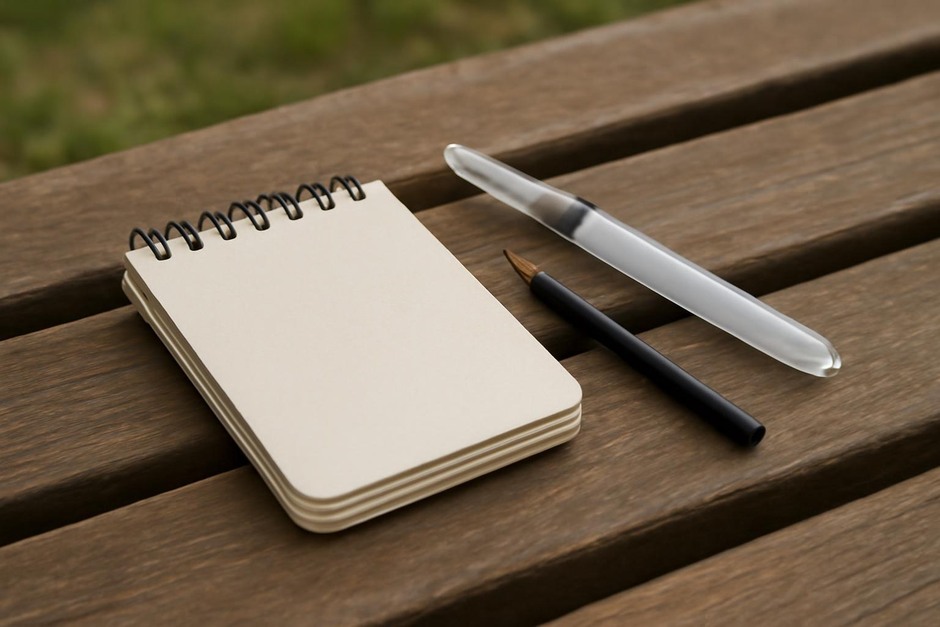
- Correction: One small accordion sketchbook or A6/A5 spiral, a water brush with a tiny pan of color, and a single mechanical pencil or 2B. The lighter setup fits on a bench and encourages a quick study rather than a finished piece.
- Mistake: Trying to prop an easel against a hedge.
- Correction: Use the sketchbook on your lap, a small clipboard, or a flat stone as a surface. Quick, stable surfaces beat fiddly setups.
2) A two-hour meadow or field walk
- Mistake: Packing a canvas panel and heavy metal palette that you never use halfway through your walk.
- Correction: Bring a medium-weight, thread-bound sketchbook, two ink pens (one waterproof, one for quick lines), and a mini watercolor pan. A lightweight folding stool or a firm sitting pad transforms comfort and extends your time outdoors.
- Mistake: Leaving no plan for sun or sudden wind.
- Correction: A compact clip to hold pages, a small rubber band to keep the book closed, and a translucent plastic sleeve for quick wind and dust protection will save pages and patience.
3) A cafe-stop between errands—twenty to forty minutes
- Mistake: Laying out paints and accepting a mess that makes moving on awkward.
- Correction: Stick to dry media: a graphite stick, an eraser, and a pocket-size colored pencil or two. A single, confident line study often communicates more than a half-finished wash.
- Mistake: Relying solely on memory or taking dozens of reference photos that never get used.
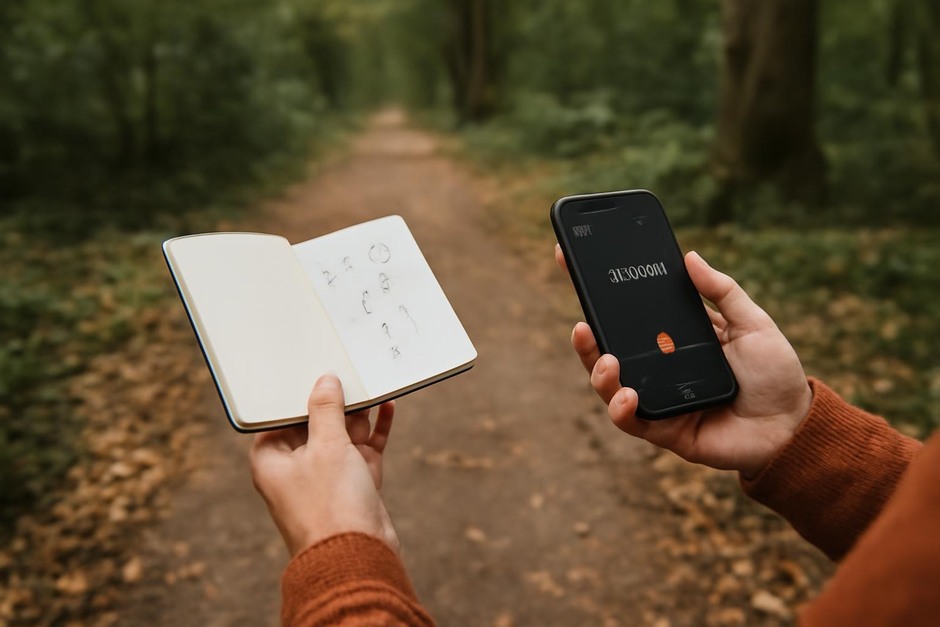
- Correction: Use a brief thumbnail sketch to capture composition and light, then a photo for detail if needed. The thumbnail guides later work without replacing immediate observation.
Practice checklist: a calm, compact kit you can test today
- Small sketchbook (A6–A5 or accordion) and a clipboard or thin board.
- One reliable drawing tool (mechanical pencil or 2B) and one small pen (waterproof fine liner).
- One portable color option: water brush with a 4-color pan or two colored pencils.
- Small seating aid: foldable stool, thin cushion, or a stiff folder to sit on.
- Clip or elastic band to secure pages in wind; a tiny translucent sleeve for sudden drizzle.
- Compact pouch sized to fit into a shoulder bag or coat pocket; keep it light and visible.
- Practice rule: if you hesitate about an item, leave it at home. Less choice focuses observation.
Try assembling your kit in the evening and take it on a ten-minute walk the next day. Note what you miss and what you never open. Over the course of three outings, you’ll refine a compact, dependable set that invites calm observation rather than creating friction. The goal is not a perfect sketch but a steady habit of noticing, drawing, and returning refreshed to your day.