Windowsill Herb Gardens: Minimalist vs Maximalist Approaches and How to Decide
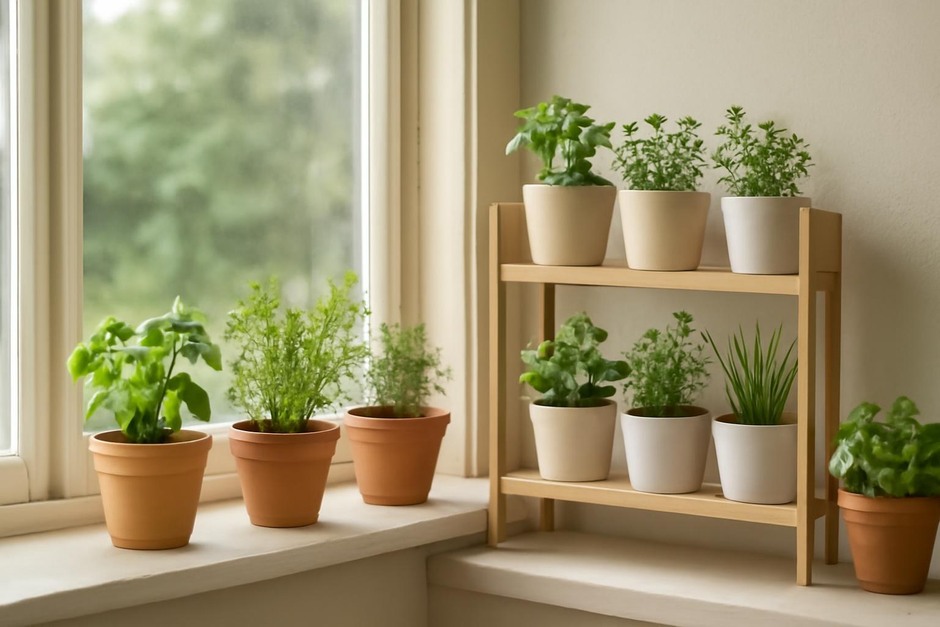
Two approaches to a windowsill herb garden
Growing herbs on a windowsill is one of the simplest ways to bring fresh flavor and green calm into the kitchen. Broadly, people take one of two approaches: the minimalist approach, which prioritizes restraint and low maintenance, and the maximalist approach, which embraces variety and higher intensity. Below is a focused comparison of the two, with clear principles and small examples to illustrate how each works in practice.
Minimalist approach: focused, light-touch care
Principles:
- One plant, one pot: Choose a few versatile herbs—such as basil, chives, and parsley—and give each a dedicated pot.
- Simple soil and drainage: Use a good-quality potting mix and ensure drainage (a single hole in the bottom and a saucer suffice).
- Routine rather than constant attention: Water on a schedule (or check once a week) and prune as you cook.
Small example: Place three 10–12 cm terracotta pots along a sunny south-facing sill. Each pot contains an individual herb in a standard potting mix. Water every 7–10 days depending on season; pinch back leaves to encourage bushiness. Re-pot the hungriest herb once a year.
Why it works: Minimal setups are resilient to irregular rhythms, require little equipment, and suit people who want fresh herbs without a lot of fuss.
Maximalist approach: diverse, hands-on cultivation
Principles:
- Variety and succession: Grow many herbs and stagger plantings for continuous harvests (e.g., cilantro, thyme, oregano, mint, lemon balm).
- Optimized microclimate: Use a tiered shelf, supplemental light when needed, and specialized mixes for different herbs.
- Active care: Regular fertilizing, grooming, and pest checks; consider propagating cuttings to expand the collection.
Small example: Install a two-tier shelf on a wide sill and fit 6–8 small pots: one pot with a salad-mix of baby basil varieties, another with a rosemary specimen in a gritty mix, a shallow tray with thyme and creeping oregano, and a jar with mint tucked to limit spread. Rotate pots every few weeks for even light exposure, and use a diluted liquid feed once a month.
Why it works: The maximalist setup yields more flavors and a steady supply for varied cooking, herbal teas, and occasional gifting—but it also demands more attention and space management.
How to choose between minimalist and maximalist
Choosing the right approach depends on five practical factors: available light and space, time commitment, culinary goals, tolerance for risk, and desire to experiment. Below are actionable questions and a short decision checklist with examples that connect principle to practice.
Decision checklist
- Light and space: If you have a narrow sill and limited sun (less than 4–5 hours), favor minimalist. If you have a deep sill, wide ledge, or can add a shelf and lights, maximalist is feasible.
- Time and routine: If you travel often or prefer low-maintenance tasks, choose minimalist. If you enjoy daily plant care or want an engaging hobby, choose maximalist.
- Cooking habits: Cook with a small set of herbs regularly? Minimalist is efficient. Love experimenting with recipes and flavors? Maximalist offers variety.
- Tolerance for losses: Minimalist setups absorb neglect better. If losing a plant stresses you, fewer pots reduce risk.
- Budget and equipment: Minimalist requires modest pots and soil. Maximalist benefits from stands, lights, and specific mixes—budget accordingly.
Three short scenarios
- Small apartment, busy schedule: Two pots—basil and chives—on a sunny sill. Water weekly, pinch for salads. This minimalist choice maximizes yield for minimal effort.
- Home cook who experiments: Tiered shelf with 8 plants, including lemon thyme and Thai basil. Rotate and feed regularly. The maximalist route supports diverse recipes and steady harvesting.
- Shared kitchen, occasional care: A hybrid: choose four hardy herbs (mint contained in a jar, rosemary, parsley, and oregano) and group them close for easier watering and light management.
Whichever approach you choose, apply the same core principles: match the plant to the light, ensure drainage, and harvest to encourage growth. Start small and adapt: a minimalist bench can expand into a maximalist garden in stages, while a maximalist setup can be pared back to match life changes. The best windowsill herb garden is the one you will enjoy and maintain—practically, consistently, and with a little delight each time you reach for fresh leaves while cooking.