Designing a Slow Staycation: A Studio‑Notes Guide to a Nature‑Friendly Weekend at Home
Question: How can I design a short staycation that feels like travel—restorative, sensory, and local—without leaving town or overplanning?
Problem
Many of us feel restless but cannot commit to long trips. A few days at home frequently slip into chores, screens, or the same old errands. The aim of a nature‑friendly staycation is to create a distinct pause from routine: to slow down, connect with nearby landscape and seasonality, and enjoy simple meals and small excursions that feel intentional. The difficulty lies in making a clear separation between “weekday life” and “leisure at home” without turning the staycation into an exhausting to‑do list.
Principles (the process I followed)
Below are the guiding principles I use when planning a compact, restorative staycation. Treat them as constraints that shape a short, doable plan.
- Scale to the weekend. Limit the plan to time blocks you can actually keep: morning ritual, a single extended outing, and relaxed evenings. Avoid packing activities from dawn to dusk.
- Design one anchor activity. Choose one memorable thing—an easy walk through orchards, a slow river lunch, assembling a simple outdoor tea station—that gives the staycation its mood.
- Work with the season. Let what’s available locally dictate meals and movement: a hedgerow berry pick in summer, a mushroom hunt in autumn, an indoor citrus tea in winter.
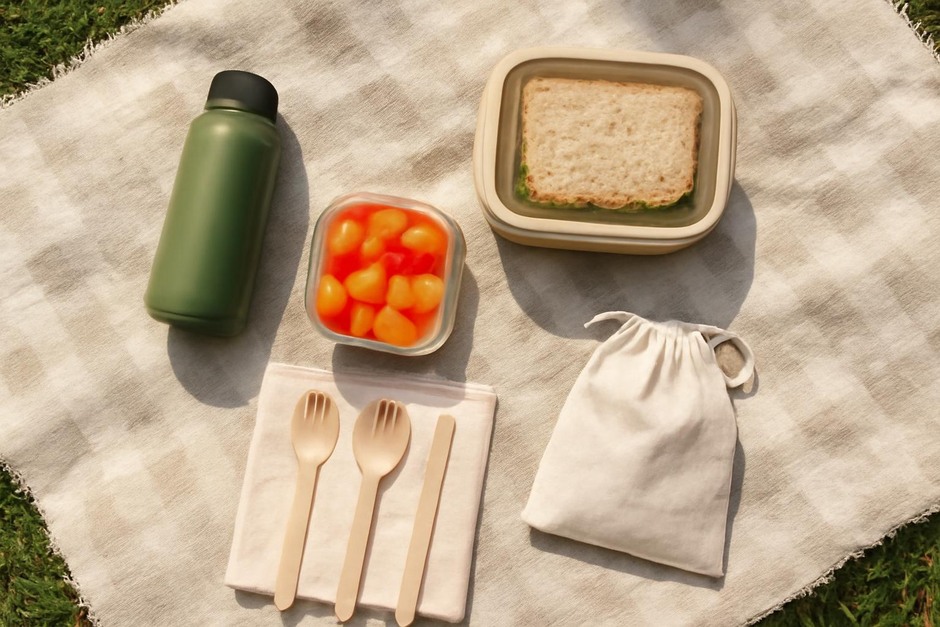
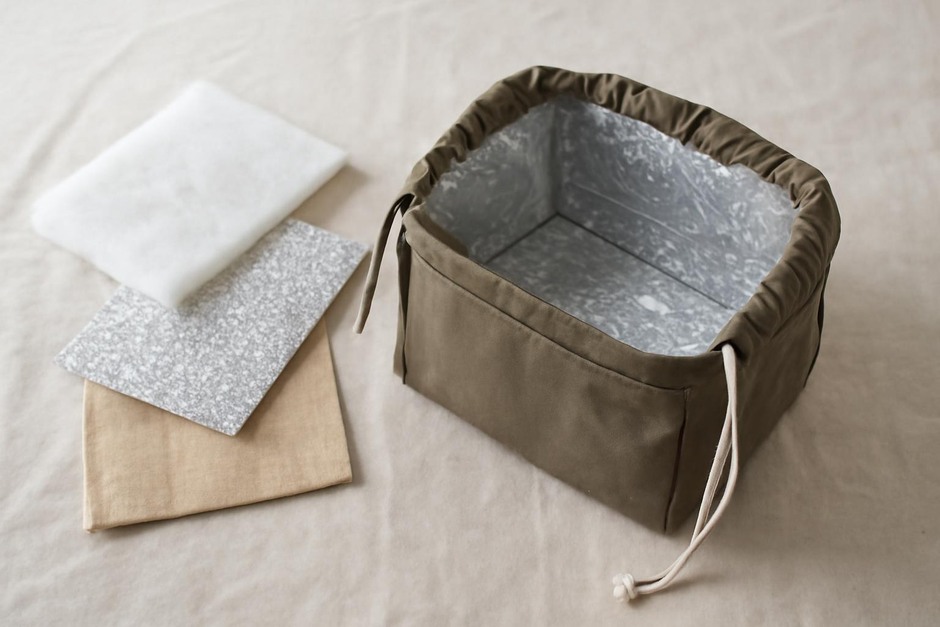
- Minimize logistics. Use what’s already at home. Pack a lightweight kit (blanket, thermos, small chopping board, reusable cutlery). The fewer new purchases, the less friction.
- Set simple boundaries. Decide in advance on one or two non‑negotiables: screen‑free mornings, no work email, or one household chore only. These scaffolds create the psychological shift you want.
- Leave space for noticing. Schedule at least one open hour with no agenda—time to sit, sketch, read, or simply listen for birds.
Examples (worked sketches)
Here are three short plans that apply the principles above. Each is written as a small studio note: question, materials, process, and a quick review point.
1. The Orchard Morning
- Question: How do I make one morning feel like a gentle departure?
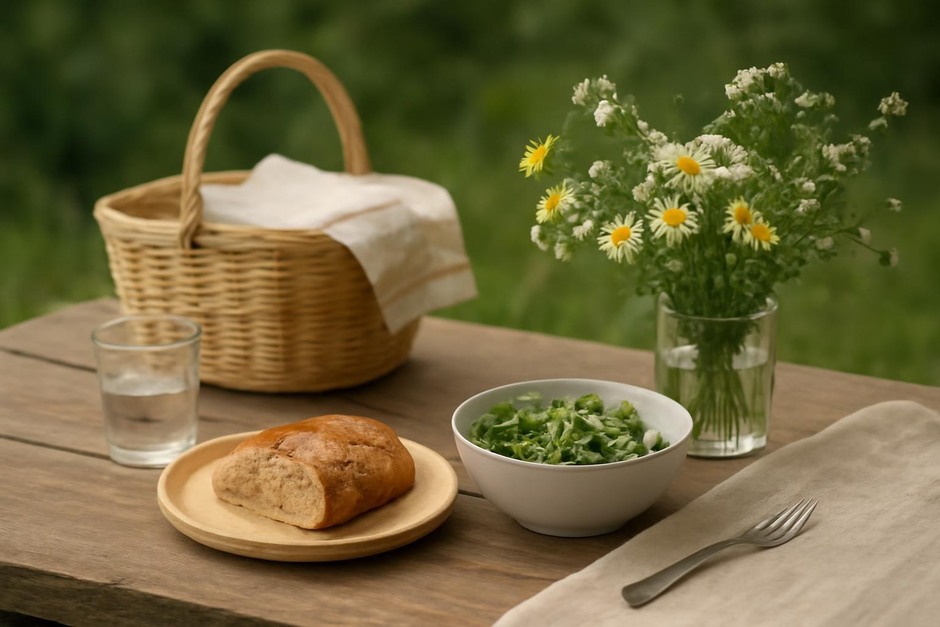
- Materials: Blanket, wicker basket, jar with cloth, small knife, loaf of country bread, soft cheese, thermos of coffee.
- Process: Wake twenty minutes earlier, prepare the basket, walk a local lane to a nearby orchard or meadow. Sit, eat slowly, and note three seasonal details (light, scent, sound). Return for a mid‑afternoon nap or light reading.
- Review: Anchoring the morning to a single sensory ritual (the meal outdoors) made the whole day feel paused.
2. Riverside Tea and Sketches
- Question: Can a portable tea station create a deliberate, meditative hour outside?
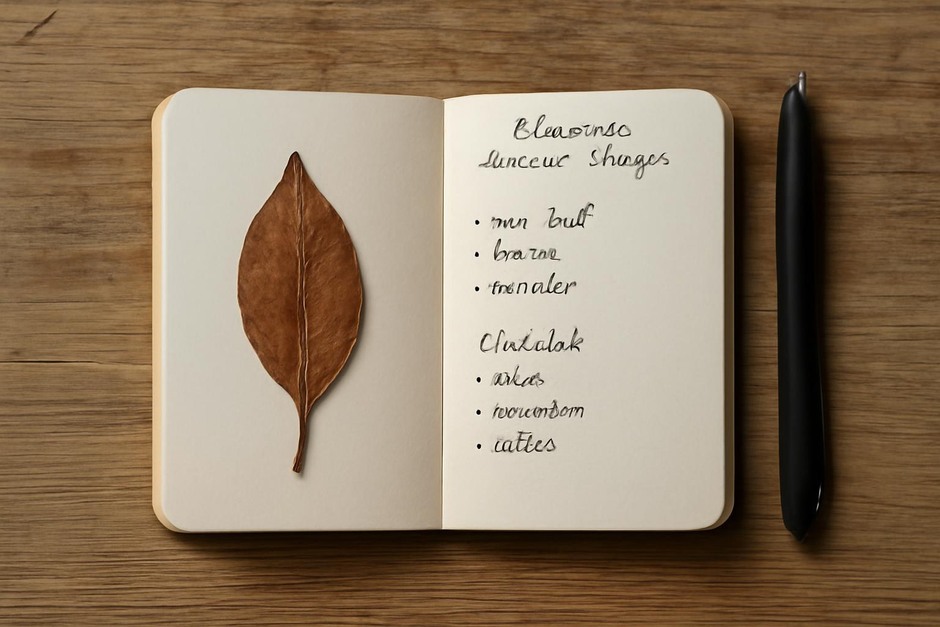
- Materials: Small kettle or thermos, loose leaf tea or sachets, a pair of cups, sketchbook, pencil.
- Process: Walk to the nearest riverside bench or garden, brew tea, sip slowly while sketching one small scene—focus on line, not likeness. Keep the outing to 60–90 minutes.
- Review: Limiting the creative task to a single small sketch reduced performance pressure and sharpened attention.
3. Backyard Forage and Simple Supper
- Question: How do I turn an ordinary evening at home into something seasonal and communal?
- Materials: Small baskets, pruning shears (if needed), simple recipe based on foraged greens or herbs, shared playlist or a slow radio show.
- Process: Spend 20–30 minutes gathering edible herbs or salad leaves, prepare a simple supper together—grilled vegetables, flatbread, herb dressing. Eat by candlelight or fairy lights.
- Review: Gathering and cooking as a pair or family created a rhythm distinct from daily cooking; the meal tasted brighter for the attention.
Concise Practice Checklist (review)
- Choose one anchor activity for the staycation (walk, picnic, tea ritual).
- Limit plans to morning + one outing + relaxed evening.
- Gather a minimal kit from home: blanket, thermos, basket, cutlery, small knife, sketchbook.
- Decide two boundaries: e.g., no work email, screen‑free mornings.
- Use seasonal ingredients for one shared meal or beverage.
- Schedule one open hour to do nothing but notice.
- At day’s end, jot three sensations that felt different from your regular routine.
Review note: Keep the staycation small and repeatable. The point is not perfection but a shift in attention—built from one anchor activity, simple materials, and a few clear boundaries.